Map the route to the work
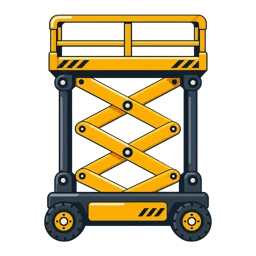
- Straight vertical tasks on slabs point to electric scissor lifts; see /electric-scissor-lift-rental/.
- Exterior vertical tasks on irregular grades suggest rough-terrain scissors; see /rough-terrain-scissor-lift-rental/.
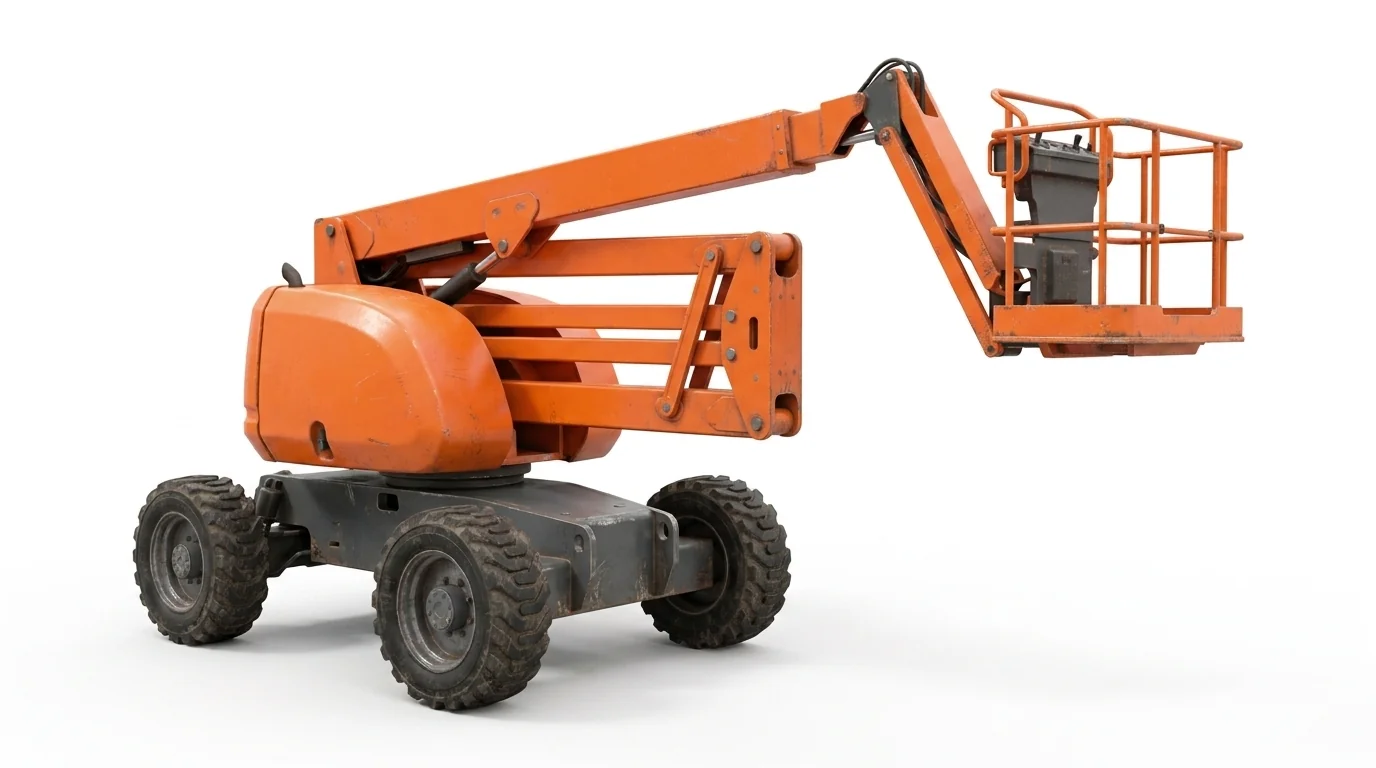
- Obstacles between the machine and the work face steer comparisons toward articulating booms at /boom-lift-rental/.
- Long, unobstructed reach across open yards is a telescopic boom discussion.
Local factors that shift the choice
- High-bay logistics corridors: Non-marking tires and compact frames fit narrow aisles and polished floors.
- Complex industrial interiors: Up-and-over access often beats vertical-only platforms when mechanical systems block a straight path.
- Outdoor phases: Unfinished grades and seasonal ground movement favor traction and stability features.
- Weather: Battery-powered units may see shorter runtime in temperature extremes; plan charging in step with shift timing.
Quick comparison points
- Required platform height and allowable machine footprint
- Floor or ground conditions from staging to the work area
- Obstructions overhead or at mid-span
- Power source rules inside sensitive facilities
Where each category excels
- Scissor lifts: Vertical work with deck space for tools and materials.
- Articulating booms: Up-and-over tasks around structure and MEP runs.
- Telescopic booms: Maximum horizontal reach across open, stable pads.
Keep the comparison specific
A useful equipment discussion starts with the work height, the practical machine position, the route into the area, the floor or ground along that route, and the people, tools, or material involved. Those details clarify whether vertical access, outreach, or material placement is the real constraint.