Articulating vs. telescopic: what changes the call
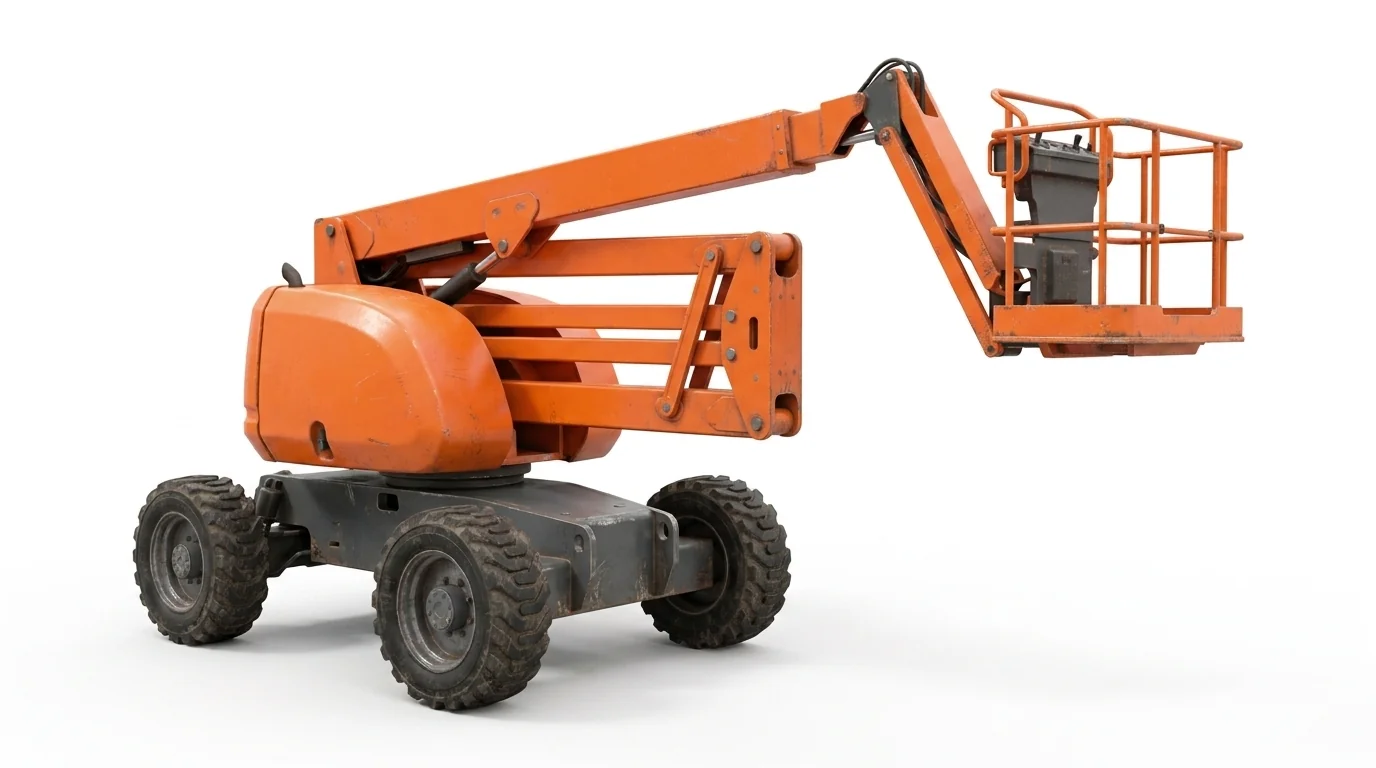
- Obstructions overhead: Articulating booms provide knuckle points to rise, extend, and then descend into the work area.
- Open, straight shots: Telescopic booms cover long, linear reaches efficiently when the path is clear.
- Interior sensitivity: Electric or hybrid options can reduce emissions for partially enclosed or sensitive interiors.
Local conditions that influence setup
- High-bay interiors with dense mechanical systems often force up-and-over paths that favor articulating booms.
- Outdoor construction on variable soils may require traction and careful positioning. Seasonal freeze–thaw cycles can change support conditions over time.
- Heat and cold affect battery and hydraulic behavior on electric or hybrid units; plan duty cycles with weather in mind.
When a scissor lift may still be better
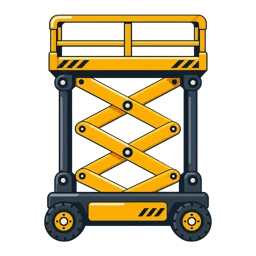
- Pure vertical tasks with room to sit directly below often compare better with /electric-scissor-lift-rental/ or /rough-terrain-scissor-lift-rental/ depending on surface.
Key measurements before you compare
- Horizontal and vertical reach to the work face
- Clearance around obstacles at each stage of the boom path
- Ground support and approach route from staging
Keep the comparison specific
A useful equipment discussion starts with the work height, the practical machine position, the route into the area, the floor or ground along that route, and the people, tools, or material involved. Those details clarify whether vertical access, outreach, or material placement is the real constraint.