When an articulating boom fits the job
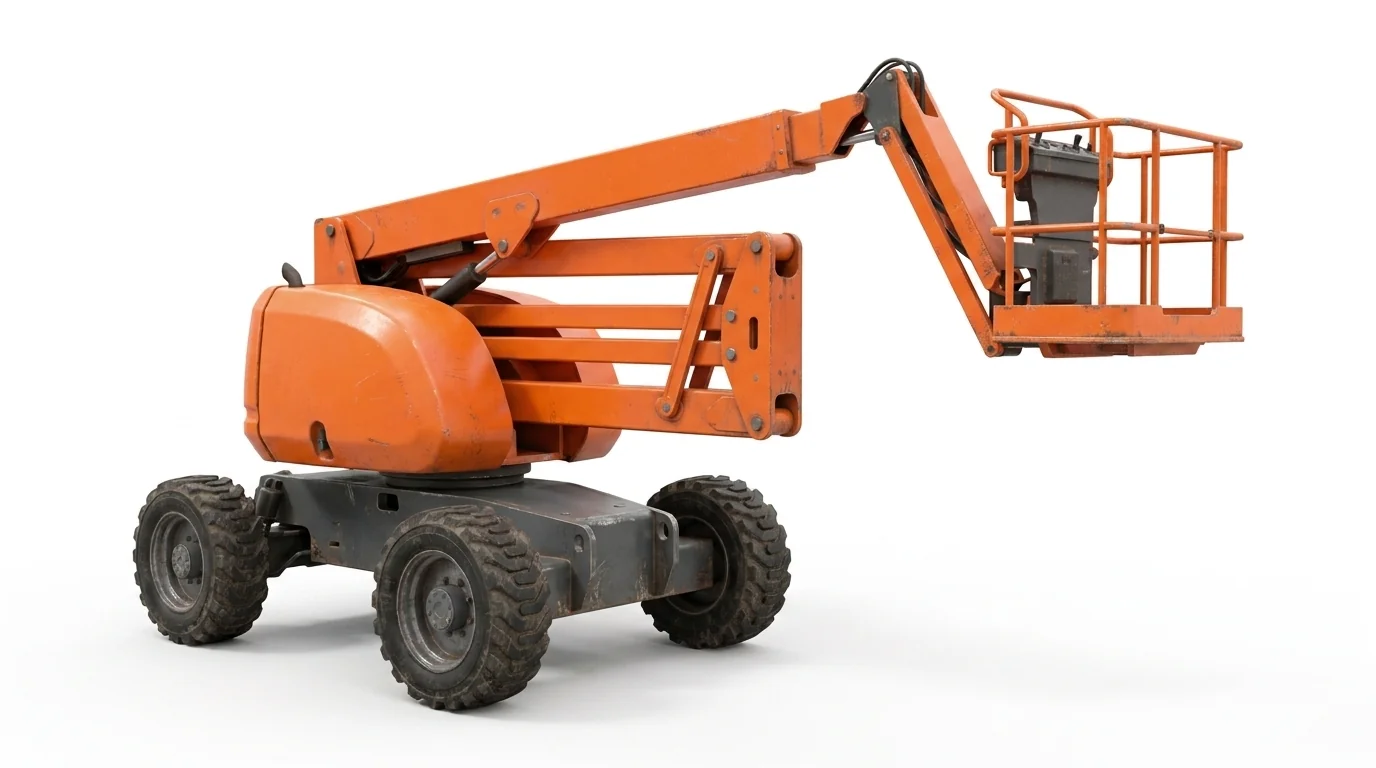
Articulating booms place the jib and elbow joints between the base and the platform, allowing the basket to move around overhead obstructions. That matters in Kansas City’s high-bay logistics and data-related work where cable trays, piping, and catwalks interrupt a straight path.
Consider: - Obstructions between the set-up area and the task edge - Required horizontal reach versus vertical height - Basket positioning needs (side reach at height, fine placement)
If the lift must tuck under and then rise past equipment or shelving before extending, an articulating unit is usually the easier placement path than a straight boom. For clear, long reaches without obstacles, compare options at /telescopic-boom-lift-rental/.
Local ground and environment factors
Outdoor work around Kansas City can involve soft or seasonally unstable ground. The regional climate’s freeze–thaw and summer heat change how tires, hydraulics, and power systems behave during the day. Plan for surface support and approach routes that avoid saturated areas after weather swings. For uneven exterior surfaces where platform height is the primary need and there are fewer overhead obstructions, also review /rough-terrain-scissor-lift-rental/ and /boom-lift-rental/.
Power type and surfaces
- Electric articulating booms: Best for indoor floors and sensitive environments. Non-marking tires and fume-free operation suit local warehouse aisles and equipment rooms.
- Engine-powered articulating booms: Useful outdoors for longer duty cycles and rough approaches at industrial sites.
Match machine width, weight, and tire type to slab ratings and doorway sizes. Indoors, confirm aisle width and turning radius around racking or machinery. Outdoors, check slope limits and the condition of compacted base or pavement.
Reach and capacity constraints
Articulating booms trade a bit of maximum height for flexible positioning. Define: - Platform height and side reach needed at the work face - Basket capacity for tools and materials - Jib articulation range for final placement
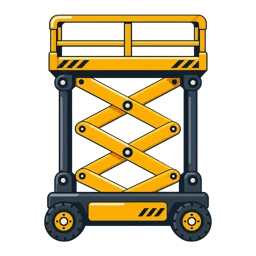
If the task is primarily vertical with frequent repositioning along a straight facade, a scissor lift at /electric-scissor-lift-rental/ may provide a faster up/down cycle on flat floors.
Common Kansas City use patterns
- Indoor maintenance over conveyors or automated systems
- Up-and-over access to ducts, cable trays, and valves in high-bay facilities
- Exterior work where utilities or canopies block a straight approach
Actual conditions, the selected unit’s instructions, and site procedures govern all elevated work.