Layout begins with exposure and traffic flow
- Is the fence shielding an open yard, a dock apron, or an interior work zone under lifts?
- Where do forklifts, scissor lifts, and boom lifts cross? Lane width and turning radius dictate barricade gaps and panel offsets.
- Does the line follow slab, asphalt, gravel, or fill? Uneven clay-based ground can cause lean without proper footing.
Panel type and footing considerations
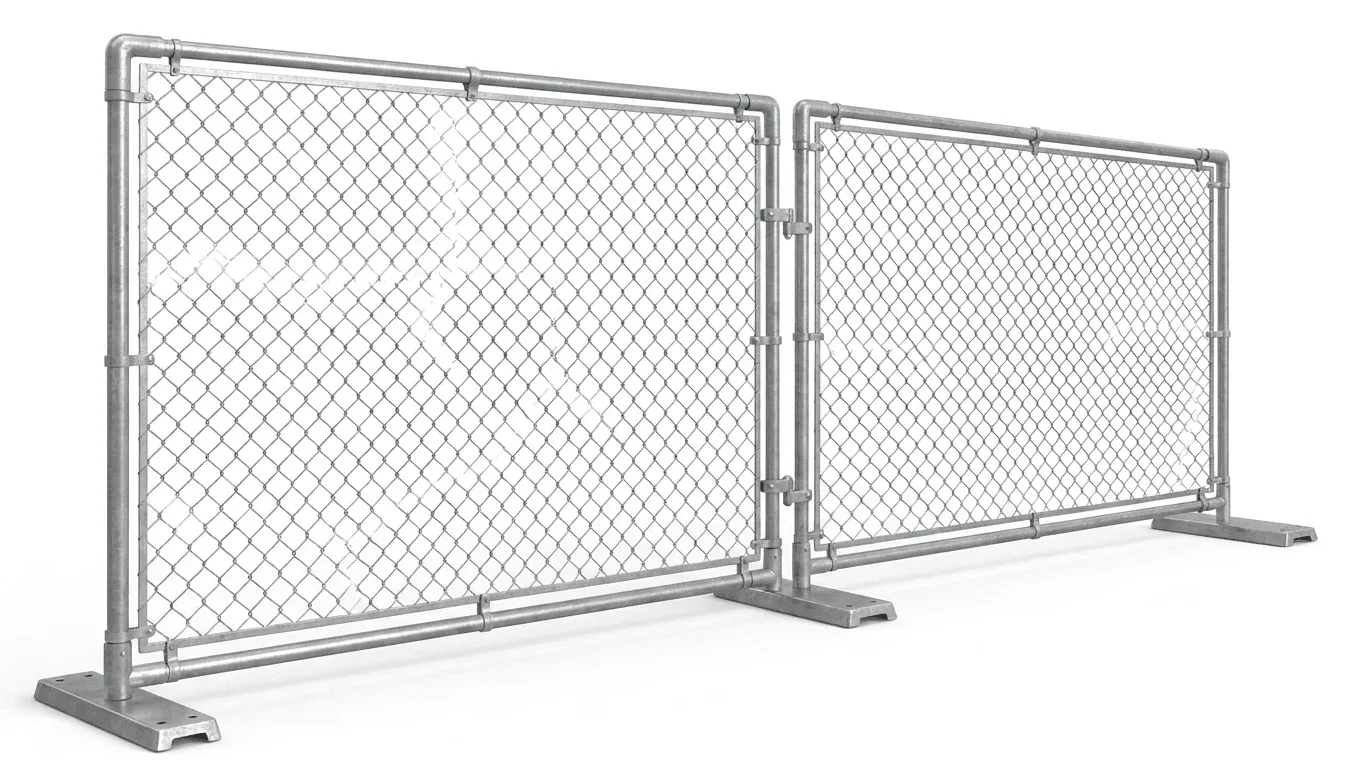
For long exterior runs on open sites, heavier bases and site-stability factors reduce movement in gusty periods. Interior barricades near racking need low-profile bases that don’t trip pallet jacks. Where roadway access remains active, delineators and weighted barriers improve visibility without blocking drainage.
Integrating with elevated work
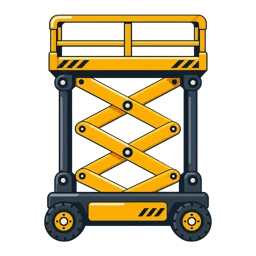
Aerial access around high-bay storage and data-centric installations often requires exclusion zones below. Determine: - Maximum outreach or platform sweep for boom lifts and articulating booms - Expected travel paths for electric scissors and vertical mast lifts - Overhead obstructions that concentrate foot traffic and need wider barricade pockets
Gates, sightlines, and night conditions
Choose gate locations to keep straight approaches for deliveries and emergency access. On sites working after dark, plan light coverage so fence lines and barricades remain visible; coordination with light towers avoids glare at vehicle eye level.
Ground and weather impacts specific to Kansas City
Moisture swings and freeze-thaw cycles can loosen stakes and settle site-stability factors on clay soils. Panel checks after storms are common on exposed perimeters. Where drainage flows across the line, raised bases can maintain clearance and reduce silt buildup.