Surface and tire choice
- Electric warehouse forklifts: Suited to smooth slabs and sensitive environments. Non-marking tires and zero emissions protect floors and air quality.
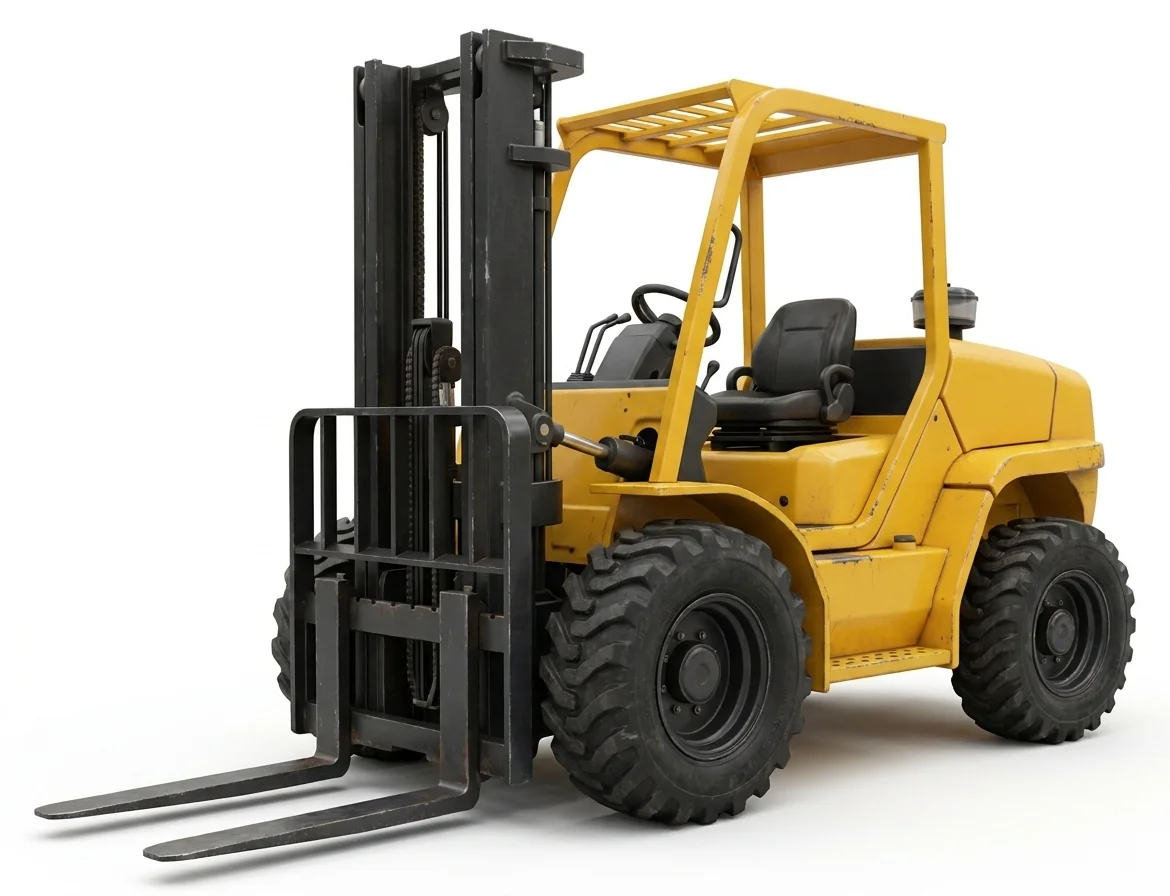
- Pneumatic-tire forklifts: Handle mixed surfaces and dock aprons with better shock absorption.
In logistics and industrial corridors around Kansas City, operations often cross docks, ramps, and occasional exterior patches. Match tire type to the roughest section you must traverse.
Aisles, doors, and turning space
Measure: - Clear aisle width at the tightest point - Door and trailer openings - Turning radius at pick and drop zones
High-bay racking can compress aisles; a smaller chassis or stand-up style may be necessary. If loads must rise to elevated work areas rather than racking, compare placement options at /telehandler-rental/.
Load and mast requirements
Confirm the heaviest load, its center of gravity, and the lift height. Capacity declines as height and load centers increase. For frequent trailer work, consider mast height versus door clearance and overhead obstructions like sprinkler piping.
Power and duty cycle in the regional climate
Electric units support indoor duty cycles with predictable charging. Temperature swings in Kansas City influence battery performance and traction on wet docks. Plan charging or fueling away from high-traffic areas and verify ventilation rules for engine units used indoors.
Common Kansas City patterns
- Pallet handling in large distribution interiors
- Cross-dock transfers with tight time windows
- Occasional exterior travel between buildings on mixed pavement
Actual conditions, the selected unit’s instructions, and site procedures govern material handling work.