Define where the unit can sit and how cables or light reach the task
- Can the machine sit outside the work zone with clear cable routes, or must it roll inside a warehouse bay?
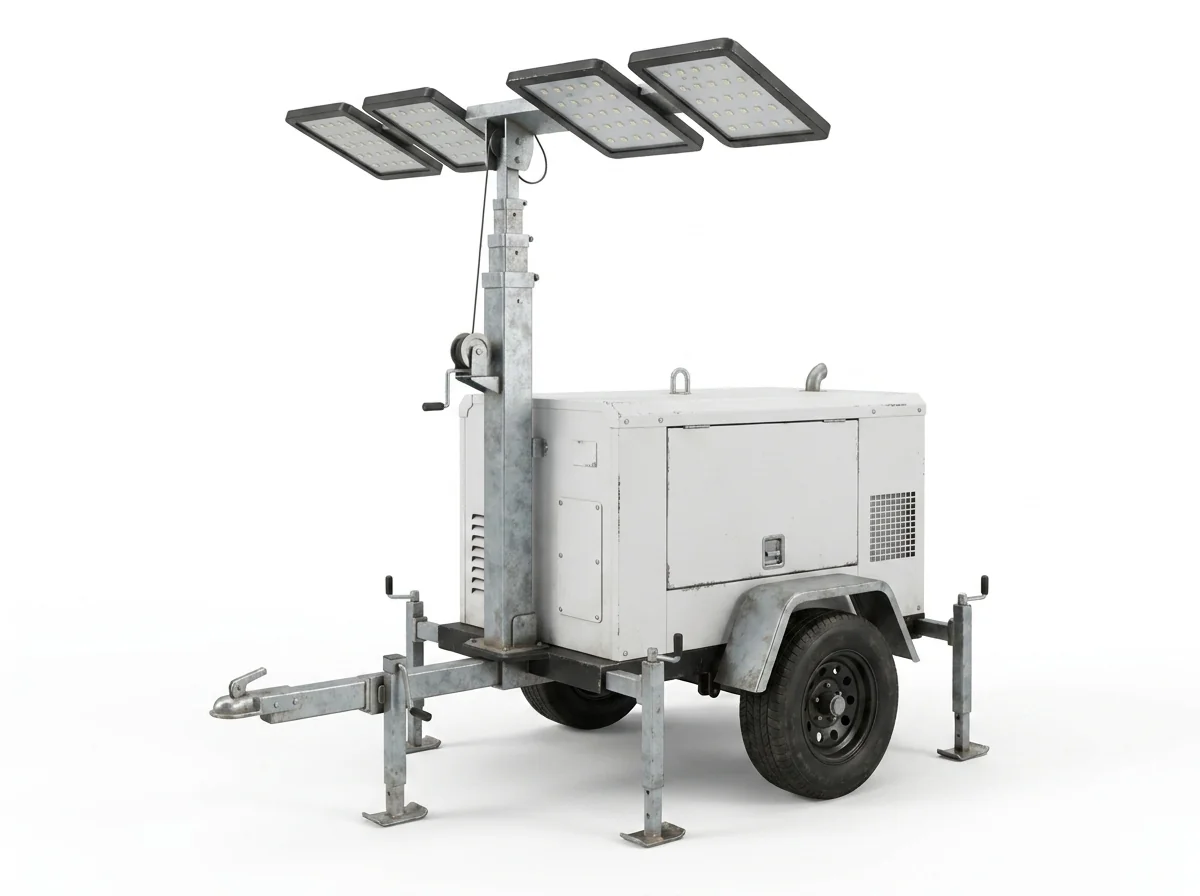
- Are you lighting a wide laydown yard or a long interior aisle? Tower height and mast type affect coverage and shadowing.
- Will the unit be stationary for weeks, or shift between doors and picking lanes?
Kansas City’s logistics corridors push long interior runs and tall racking, so plan for output that carries down aisles without glare at the working face. For outdoor staging on clay-rich subgrades, assume soft or uneven surfaces after rain; unit footprint and leveling capability matter for mast stability and fuel management.
Power profile: continuous load, surge, and duty cycle
Generators are sized by continuous wattage, expected surge from tools or HVAC startup, and daily duty cycle. On regional industrial sites, temporary power often supports controls, lighting strings, tool circuits, and commissioning equipment. A light tower’s onboard generator may cover small loads; larger tasks may need a standalone generator with separate distribution. Define: - Highest simultaneous load and any motor inrush - Voltage and phase for panels or temporary transformers - Run-time window between refueling or battery swaps
Fuel, emissions, and indoor constraints
For indoor maintenance around sensitive inventory or electronics, combustion units typically stay outdoors with cabling in. Non-marking electric lifts often share the space; protect cord routes and keep exhaust away from intakes. In cold snaps, diesel units may need attention to fuel quality and starting conditions; in peak heat, ventilation and derate considerations affect continuous output. Verify clearances for exhaust and heat around dock doors.
Lighting coverage and mast selection
Open yards and perimeter fencing benefit from higher masts and directional heads; interior areas prefer distributed fixtures on circuits rather than a single tower glare point. In high-bay facilities, check for obstructions that create shadow cones. For phased night work, zoning lights by area can reduce generator size and fuel burn.
Access and placement details to confirm
- Route width/height from street to set location
- Ground bearing where the unit sits (asphalt, gravel, compacted fill, slab)
- Cable protection across pedestrian or forklift paths
- Security and noise expectations near occupied buildings
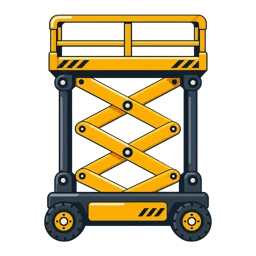
For elevated maintenance that also needs temporary light, confirm lift access in parallel: interior work often pairs with an electric scissor or vertical mast unit; exterior night work near steel or precast often pairs with a boom lift.