Define the placement geometry
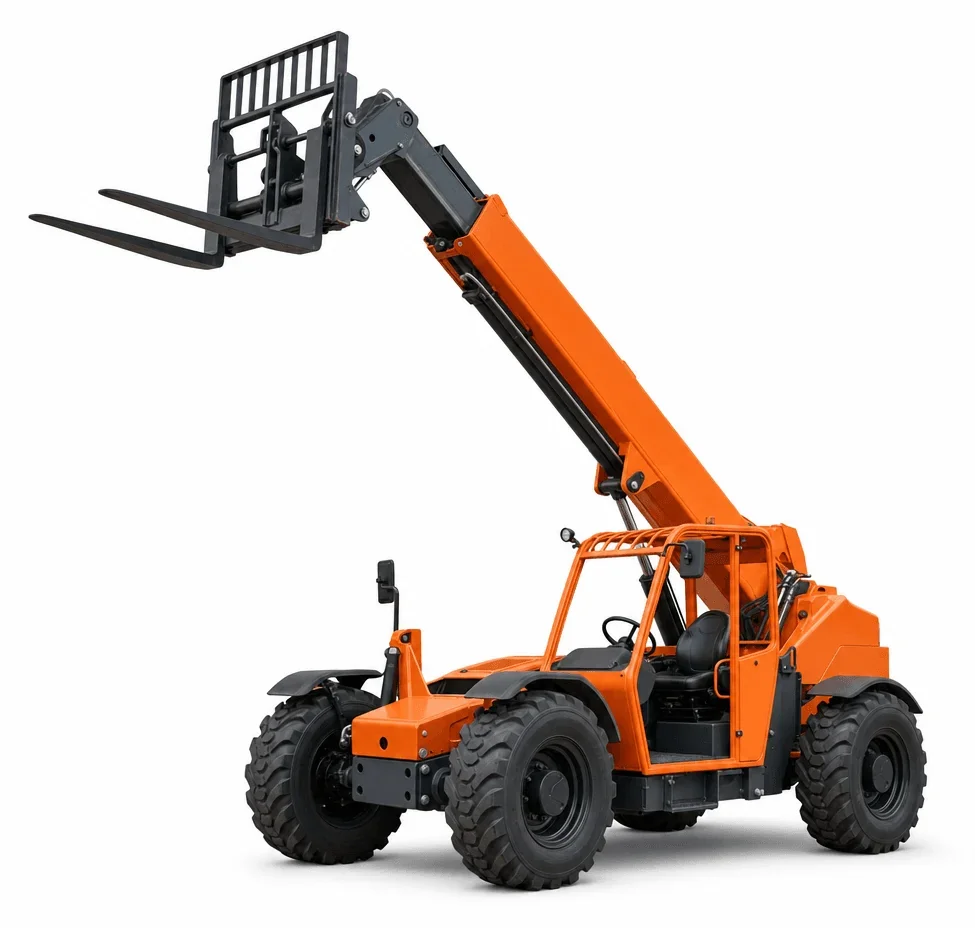
Telehandlers move materials to height with a telescoping boom. Clarify: - Maximum load weight at ground and at outreach - Placement height and setback from the edge - Fork carriage and fork length compatible with pallets or skids
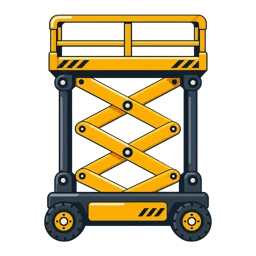
Longer reach models lose capacity at full extension, so realistic setback and load data narrow the size range. If vertical personnel access is the goal, compare /boom-lift-rental/ or /rough-terrain-scissor-lift-rental/ instead.
Kansas City surfaces and climate
Mixed soils and paved sections are common. After freeze–thaw or summer heat, soft spots and ruts may appear, affecting stability and travel speed. Identify routes from delivery to laydown areas that avoid saturated ground and steep transitions. Ground-bearing capacity and turning space near the placement point matter as much as rated lift capacity.
Visibility, size, and maneuvering
Larger machines offer height and capacity but need wider aisles and stronger slabs. On dense sites with trailers, storage containers, or fencing, shorter wheelbases reduce three-point turns. If space is constrained, plan staging with /storage-containers-rental/ and perimeter control with /temporary-fencing-barricades-rental/ to preserve turning lanes.
Power, tires, and duty cycle
- Foam-filled or rough-terrain tires support uneven ground; non-marking options may be necessary on finished slabs.
- Engine power suits continuous loading cycles and outdoor travel.
Check gate widths, curb cuts, and slab ratings along the full route, not just at the final placement point.
Common Kansas City tasks
- Setting mechanical units and electrical gear onto platforms
- Placing pallets to mezzanine edges in logistics renovations
- Staging materials across large sites with variable ground
Actual conditions, the selected unit’s instructions, and site procedures govern elevated and material handling work.