Placement starts with ground bearing and approach
- Where can a truck back, level, and set the box without rutting the subgrade?
- Will the container sit on asphalt, compacted gravel, or slab? Clay-heavy sites can shift seasonally; shimming and drainage planning affect door function over time.
- Is there a straight shot for forklifts or pallet jacks to enter? Turning radius limits how close the unit can sit to walls or curbs.
Door type and loading pattern
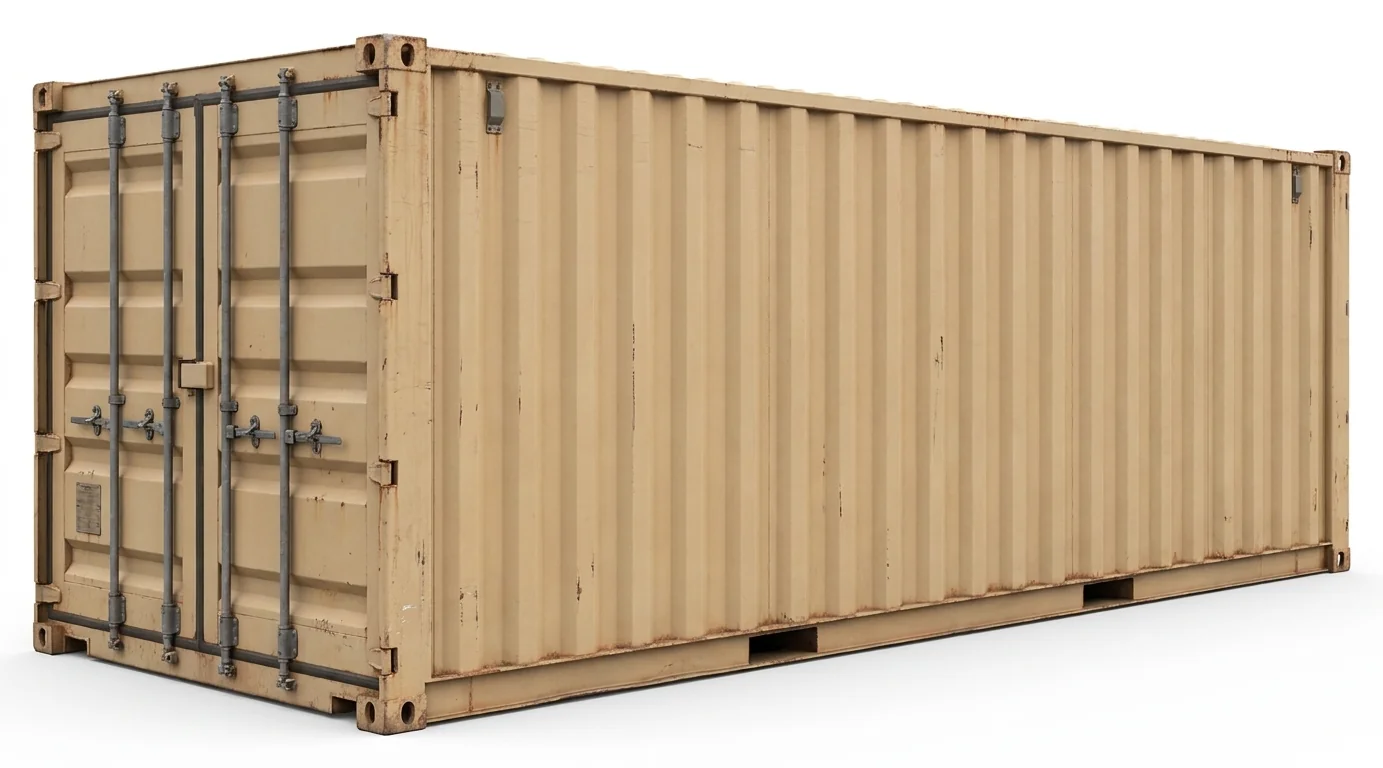
Roll-up doors save aisle space but reduce opening height. Swing doors maximize width but need clear swing room. For palletized loads or long conduit reels, measure: - Usable width/height at the narrowest opening - Floor rating and deck condition for point loads - Interior length against the longest item plus handling clearance
Security, moisture, and temperature swings
Kansas City’s humidity and freeze-thaw cycles affect condensation and door alignment. If storing electrical components or finishes, consider ventilation paths and how the unit sheds water. For long sits on uneven ground, expect door binds unless the box remains supported at corners and mid-spans.
Access schedule and proximity to work
On active logistics sites, containers often live near dock aprons or yard edges. Confirm: - Pedestrian and forklift conflicts - Required setbacks from utilities or fire lanes - Night access lighting, which may tie into light towers or temporary circuits
Integrating with lift equipment
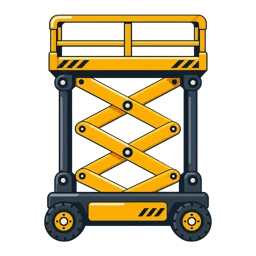
If the container supports elevated tasks—spare parts for scissor or boom work—plan staging zones that keep lift approach clear. Interior maintenance commonly pairs with an electric scissor or vertical mast lift; exterior steel or façade tasks may involve a telescopic boom with separate laydown.