When a straight boom is the cleaner solution
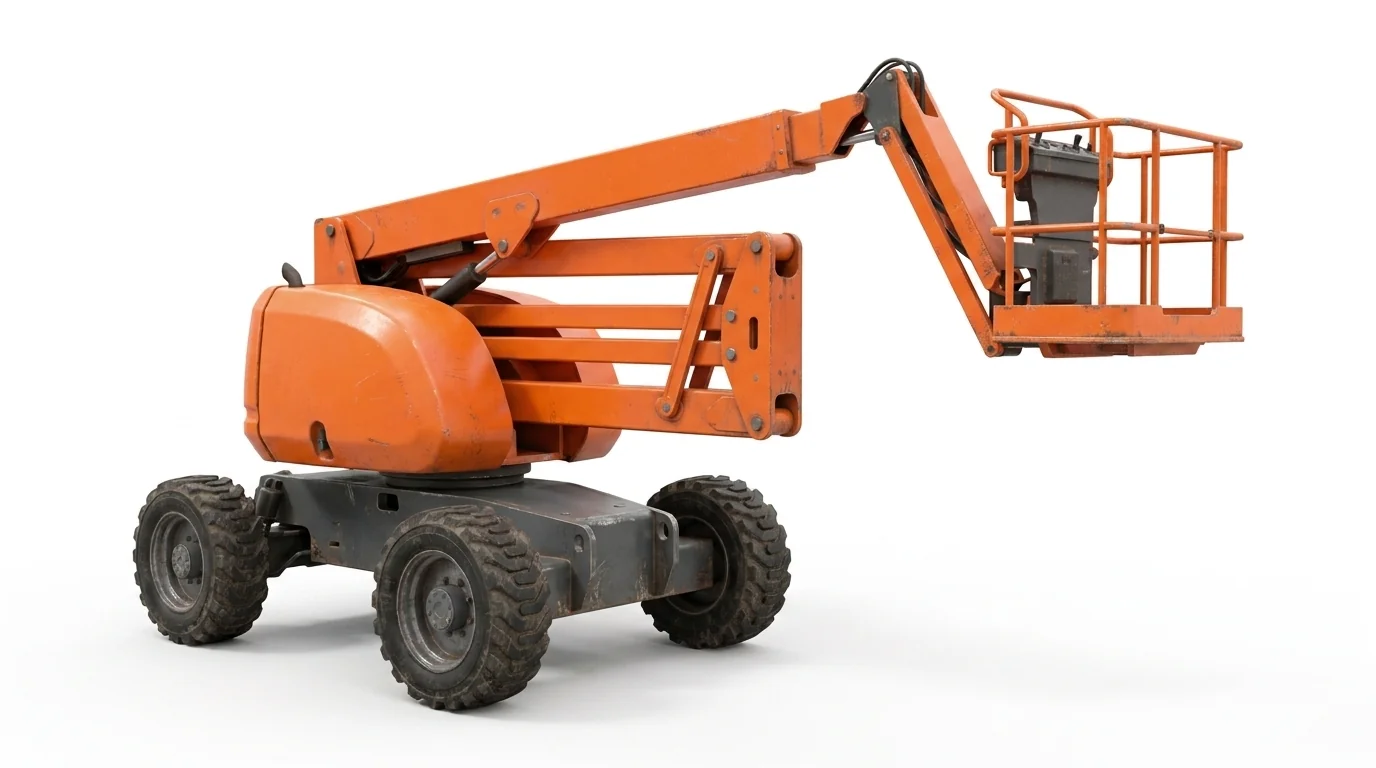
Telescopic booms extend in a straight line, trading articulation for maximum horizontal reach. Choose this style when: - The set-up area is offset from the work surface - There are no intervening obstructions overhead - Long outreach is more critical than complex positioning
For congested interiors or up-and-over tasks, compare with /articulating-boom-lift-rental/.
Ground and weather in Kansas City
Outdoor approaches can cross mixed surfaces affected by the regional climate. After thaw cycles or summer storms, surfaces may be soft or uneven, changing support needs and slope considerations. Hardstand locations and stable approaches reduce repositioning time. Where the route remains rough or sloped, review /boom-lift-rental/ and, if vertical access is the primary need, /rough-terrain-scissor-lift-rental/.
Power and tires
- Engine-powered straight booms: Common for exterior work, long reach, and variable ground.
- Electric straight booms: Limited selection but useful where emissions and tire marks must be minimized, typically on slabs.
Match machine width and weight to pavement ratings and gate widths. Long booms may require more swing clearance at ground level.
Reach, capacity, and positioning
Define the required platform height and horizontal reach at the work face. Confirm basket capacity for tools and materials. Long outreach magnifies deflection and positioning sensitivity, so stable set-up areas matter. If the task involves frequent lateral moves along a facade with minimal outreach, /electric-scissor-lift-rental/ may be more efficient.
Kansas City use scenarios
- Exterior cladding, signage, and lighting on open approaches
- Industrial yard work where the machine can sit well back from piping or structures
- Tall facade inspections without overhead interferences
Actual conditions, the selected unit’s instructions, and site procedures govern all elevated work.